
Minimize Your Taxes with This Proactive Guide

Authored by: Brett Leibfried — Partner, CPA | Date Published: January 22, 2026
Every April, I have the same conversation with new clients. They walk into my office frustrated, sometimes angry with themselves. “Brett,” they say, “I just paid $15,000 in taxes. My CPA said there’s nothing I can do about it now.”
While it is rarely the case that no options remain, the reality is that by the end of April, most opportunities to manage your tax liability for the prior year have passed. The decisions that could have saved you thousands are already behind you.
But here’s what I tell them: next year doesn’t have to look the same. The clients who save the most money aren’t necessarily the ones who earn the most. They’re the ones who treat tax planning like a year-round priority, not a springtime scramble. They’re making small, smart decisions in February, June, and October that add up to massive savings by December.
Want to know their secrets? Let’s talk about how proactive tax planning can transform your financial picture.
Featured Topics:
- Why Does Year-Round Planning Beat Last-Minute Preparation?
- What Financial Metrics Should You Monitor Throughout the Year?
- How Can You Maximize Tax-Advantaged Account Contributions?
- When Should You Time Income and Expenses for Maximum Benefit?
- How Can You Avoid Underpayment Penalties and Surprise Tax Bills?
- What Steps Should You Take Next?
Why Does Year-Round Planning Beat Last-Minute Preparation?
When you wait until tax season, you’ve already missed most opportunities to reduce your liability. Proactive tax planning and other proactive solutions involve making decisions throughout the year that add up to significant savings by December. By spreading your tax planning across all twelve months, you avoid that end-of-year panic and have time to implement meaningful changes.
The people who save the most on taxes share one thing in common: they treat tax planning as an ongoing conversation, not a once-a-year event. This mindset shift alone can save you thousands.
What Financial Metrics Should You Monitor Throughout the Year?
Let’s get practical. Year-round tax planning starts with knowing where you stand financially at any given moment.
Regular financial check-ins help you:
- Spot income changes that might bump you into a higher tax bracket.
- Identify deductible expenses before they slip through the cracks.
- Adjust your withholding to avoid penalties or massive refunds.
- Time major purchases or income events for maximum tax benefit.
Regularly assessing your financial situation is key to avoiding costly surprises. Set a recurring calendar reminder every quarter to review your finances. Look at your income, expenses, and any major changes on the horizon. Did you get a raise? Start a side business? Buy rental property? Each of these triggers different tax considerations.
If you’re self-employed or run a small business, this becomes even more important. Unlike W-2 employees, you’re responsible for estimating and paying taxes quarterly. Miss those payments, and you’re looking at penalties that eat into your hard-earned profits.
How Can You Maximize Tax-Advantaged Account Contributions?
Here’s where things get exciting. Tax-advantaged accounts are powerful tools in your financial planning.
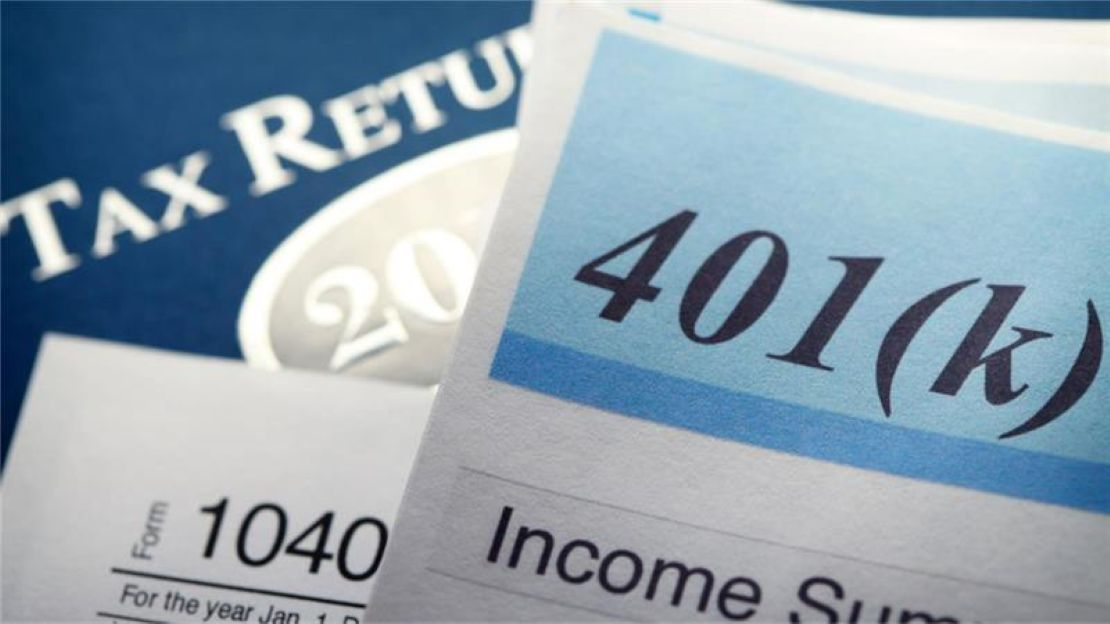
For 2025, the annual employee contribution limit for 401(k) plans is $23,500, with an additional $7,500 catch-up contribution for those 50 and older. That means if you’re over 50, you can stash away $31,000 of pre-tax money this year. For many of our clients, that translates to $10,000–$12,000 in immediate tax savings.
Health Savings Accounts (HSAs) are another valuable option. For 2025, you can contribute $4,300 for individual coverage or $8,550 for family coverage, plus an extra $1,000 if you’re 55 or older.
HSAs offer a triple tax advantage:
- Contributions reduce your taxable income now.
- Money grows tax-free.
- Withdrawals for medical expenses are tax-free.
The government rarely lets you avoid taxes on the way in, during growth, and on the way out. HSAs are among the rare opportunities.
Traditional and Roth IRAs round out your retirement savings options, each with their own tax benefits depending on your current and future income expectations. The IRA contribution limit remains at $7,000 for 2025, with an additional $1,000 catch-up contribution for those age 50 or older. Making a retirement savings contribution not only helps you prepare for the future but can also reduce your taxable income today.
When Should You Time Income and Expenses for Maximum Benefit?
This is where tax planning can make a real difference. Understanding tax brackets gives you power.
If you’re on the threshold of a higher or lower bracket, certain tax planning moves can help you manage your taxable income. Let’s say you’re $5,000 away from jumping into the next tax bracket. You might defer that year-end bonus to January, or you might accelerate some deductible expenses into December.
- For business owners and freelancers, timing is everything:
- Invoice clients in late December or early January based on your tax situation.
- Purchase necessary equipment before year-end to capture depreciation deductions.
- Prepay deductible expenses, such as insurance premiums or subscription fees, when it makes sense.
For 2025, Section 179 expensing allows immediate deduction of qualifying equipment purchases rather than depreciating them over several years. This is one of many business tax solutions available that can result in meaningful tax minimization when investing in new computers, machinery, or vehicles for business purposes.
Buy what your business actually needs, but be smart about when you buy it.
How Can You Avoid Underpayment Penalties and Surprise Tax Bills?
Nothing ruins your day quite like an unexpected tax bill with penalties attached. The good news? This is completely preventable.
Checking that you are not regularly under-withholding or over-withholding can help you avoid large tax bills or penalties. Check your pay statements throughout the year. If you consistently get huge refunds, you’re giving the government an interest-free loan. If you consistently owe money at tax time, you’re probably facing underpayment penalties.
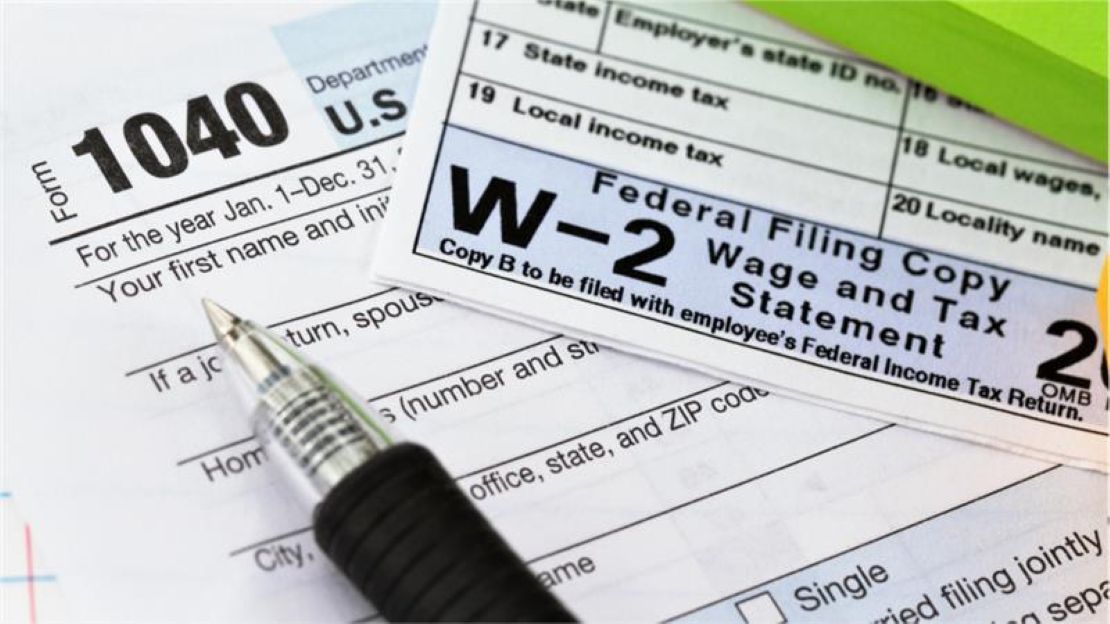
For W-2 employees, adjusting your W-4 form takes five minutes and can save you hundreds in penalties. For self-employed folks, this means calculating and paying quarterly estimated taxes. Yes, it’s a hassle, but it’s way less painful than writing one enormous check in April and paying the penalty fees.
If you’re a small business owner managing employees, proper withholding isn’t just about avoiding your own penalties. You’re responsible for accurately calculating and remitting payroll taxes for your team. This is where having solid payroll services becomes invaluable. One mistake here can trigger audits and penalties that compound quickly.
What Steps Should You Take Next?
Building lasting financial security often involves working with a team. Coordinated support from financial planners, CPAs, and payroll services can make a significant difference by providing informed guidance and helping keep everything on track throughout the year.
At MBE CPAs, we believe in relationships, not just transactions. We’re thinking about your taxes in July just as much as in March, asking questions like: “What business expenses are you tracking?” and “How does this real estate purchase affect your tax picture?”
Tax planning means understanding the rules and making choices that support your goals. Acting now gives you more confidence and peace of mind about your finances. Tax season can become a time to practice good financial habits and focus on your long-term plans, rather than a source of stress.