
The Easiest Tax Win for Pizzeria Owners

Authored by: Doug Gross — Partner, CPA, CPGMA | Date Published: February 27, 2026
Every pizza that leaves your kitchen carries more than just toppings and cheese. It carries your reputation, built slice by slice over years of serving your neighborhood. The family that orders every Sunday after church. The office workers who rely on your lunch specials. The kids who save up their allowance for a slice after school. You’ve earned their trust by showing up consistently, rain or shine, busy season or slow.
Behind those sales, there’s another story unfolding. Your drivers take the same routes night after night, building relationships with customers who request them by name. Your servers remember which booth the anniversary couple prefers. Your counter staff know the regulars’ orders before they finish asking. The tips your team earns aren’t just transactions. They’re proof that your people deliver service worth recognizing.
What most pizzeria owners don’t know is that those tips generate a tax benefit you’re probably missing. Every time you pay the employer portion of Social Security and Medicare taxes on your team’s tips, you’re eligible for money back from the federal government. The FICA tip credit has been available since 1994, yet the majority of independent pizzerias have never filed for it. For a restaurant with consistent tip income across all your service channels, this credit typically returns five figures annually, sometimes significantly more, depending on your volume.
You’re not changing anything about how you operate. Your team still earns tips the same way they always have. You’re simply claiming back 7.65% of the employer taxes you pay on those tips above minimum wage. When tips flow through delivery drivers, dining room servers, and carryout counter staff all day long, that 7.65% adds up to real dollars that can go right back into your business.
Featured Topics:
Why Should Pizzeria Owners Care About the FICA Tip Credit?
The FICA tip credit allows you to claim back 7.65% of the employer portion of Social Security and Medicare taxes you pay on employee tips that exceed the federal minimum wage. This breaks down to 6.2% for Social Security and 1.45% for Medicare. Think about your Friday night dinner rush when delivery orders are flying out the door, and tips are adding up. Every dollar in tips above the minimum wage can generate a tax credit.
This credit became permanent under legislation signed in 2025, allowing pizzeria owners to plan for this tax benefit year after year. With new reporting requirements taking effect in 2026, getting your tip tracking systems in order now puts you ahead of the curve.
How Does This Work for Delivery Drivers and Counter Staff?
Your pizzeria’s tipping structure differs from that of a traditional sit-down restaurant, creating unique opportunities. Here’s where pizza shops can really benefit:
Delivery Driver Tips
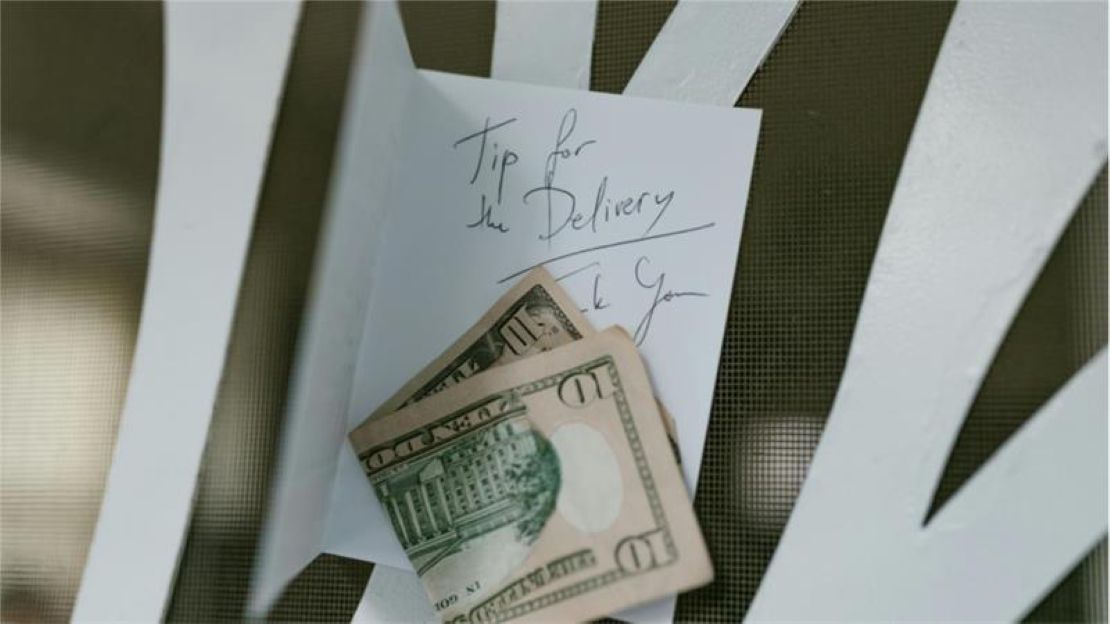
Your drivers receive tips on nearly every delivery, combining cash tips at the door with credit card tips processed through your point-of-sale system. Both types count toward the credit as long as they’re properly reported. The key is making sure all those cash tips are documented, not just the ones that run through your payment processor.
Counter Tips
When customers pick up their orders and drop a few dollars in the tip jar or add gratuity on their credit card receipt, those tips qualify too. Counter staff tips often get overlooked because they’re smaller and more sporadic, but they add up quickly during busy periods.
Tip Pooling for Large Orders
When you get a catering order or a massive delivery for a corporate lunch, and your team pools the tip to share fairly, that entire pooled amount can qualify for the credit. The important part is tracking who received what and making sure it’s all properly reported through payroll.

What Mistakes Keep Pizzeria Owners from Claiming This Credit?
The biggest pitfall we see is cash tip tracking. Your drivers collect cash at the door, and if those tips aren’t being reported through your payroll system, you can’t claim the credit on them. Employees who receive cash tips of $20 or more in a calendar month are required to report them to you by the tenth day of the following month. Setting up a simple system where drivers log their cash tips daily makes this manageable.
Another common mistake is misclassifying service charges. Mandatory gratuities that restaurants often impose on parties of six people or more aren’t eligible for the deduction under the new No Tax on Tips Act provisions, and they’re treated differently for the FICA tip credit as well. If the customer has a choice, it’s a tip, but if it’s mandatory, it’s a service charge. Understanding taxing gratuity properly depends entirely on this classification. Service charges are treated as regular wages, not tips, which changes your tax treatment completely.
Make sure your large-order invoices clearly indicate whether gratuity is optional or mandatory. If you’re adding an 18% fee to every catering order and customers have no choice about it, that’s a service charge, not a tip. You’ll pay full payroll taxes on it, and it won’t qualify for the tip credit.
How Can You Start Capturing FICA Tip Credit Today?
Getting started is more straightforward than you might think. Here’s your action plan with realistic timelines:
- Week 1: Audit Your Current Tip Reporting
Review how your drivers and counter staff currently report tips. Are cash tips being logged? Is your point-of-sale system accurately capturing credit card tips? Identify gaps in your current process. - Week 2: Implement a Daily Tip Reporting System
Create a simple log, such as a shared spreadsheet or a feature in your existing POS, where employees record cash tips daily. Make it part of the end-of-shift checkout process. - Week 3: Review Your Service Charge Policies
Look at how you handle large orders, catering, and party orders. Make sure you’re clearly distinguishing between optional tips and mandatory service charges on all invoices and receipts. - Week 4: Connect With Your Payroll Provider
This is where having the right payroll system makes all the difference. You need a platform that handles IRS-compliant reporting, integrates with your accounting software, and accurately tracks tip data for credit calculations. Knowing how to handle tips and gratuities in payroll reports is essential to properly claim the credit. Payroll Solutions specializes in restaurant payroll, offering features that comply with current tip reporting requirements and overtime laws. Their system produces the accurate, timely reports you need to claim the FICA tip credit without the headache. - Ongoing: Maintain Consistent Records
Keep your tip logs, payroll records, and documentation for at least three years. The IRS may want to verify your calculations, so clean records make the process painless. - At Tax Time: Claim The FICA Tip Credit
You’ll complete Form 8846 and attach this form to your business tax return. Your accountant or payroll provider can help you calculate the credit based on your properly reported tip data throughout the year. For partnerships and S corporations, the credit flows through to owners on Schedule K-1.
The beauty of the FICA tip credit is that you don’t need to change how you run your business. You’re already dealing with tips every single day. This is about making sure you’re getting credit for the taxes you’re paying on those tips.
Why Work with Accountants Who Understand Your Pizzeria?
Your business isn’t like the chain restaurants down the street. You have a mix of dine-in families celebrating birthdays, regulars who call in their usual Friday night order, and delivery customers who’ve been loyal for years. That unique combination of service styles creates specific tax opportunities that general accountants often miss.
At MBE CPAs, we work with pizzeria owners who are building something meaningful in their communities. We understand the difference between the mandatory gratuity you add to a 50-person catering order and the tip your driver receives at someone’s front door. We know that your Saturday night revenue looks nothing like your Tuesday lunch, and we help you build tax strategies that reflect how your restaurant actually operates.
The FICA tip credit is just one example. When you work with accountants who take time to understand your business model, your service structure, and your growth goals, you stop leaving money on the table. You get a team that looks at every aspect of your operation and finds the savings you didn’t know existed.
We’re here to help you keep more of what you earn so you can reinvest in the people and community that made your pizzeria successful in the first place.