Should You Retain Ownership Through Feedlot
Authored by: Kevin Block — Partner, CPA | Date Published: June 10, 2026
Every fall, cattlemen across the country face the same decision. Load the calves up and collect a check, or keep them on feed and bet on a bigger payday down the road. Most producers sell at weaning because it’s simpler, faster, and feels less risky. But “feels less risky” and is less risky are two different things, and the financial difference between those two choices can be staggering. As fourth-generation Nebraska cattleman Ryan Noble puts it, “It’s an extensive place to find out that you could possibly be raising low-margin cattle.”
After reading this blog, you’ll understand exactly what you’re giving up, or gaining, when you make that call.
Is It More Profitable to Sell Calves at Weaning or Retain Ownership Through the Feedlot?
When your calves hit weaning weight, you have two basic options. Sell them into the cash market and be done with it, or retain ownership and place them on a gain program through backgrounding, a stocker operation, or a custom feedlot.
For a steer calf weaned at 550 lbs., a direct sale at weaning yields a gross revenue of approximately $963 per head, based on a price range of $175–$190/cwt. Finishing those calves to 1,350 lbs. raises gross revenue to about $2,565 per head. After $850–$1,050 in added costs, net revenue rises to $1,515–$1,715 per head. For 100 head, that’s an added $55,200–$75,200.
It’s important to remember that upside can evaporate quickly if input costs spike, cattle prices fall, or a health event hits the pen. Retained ownership is not a guaranteed win. It is a calculated bet that requires the right structure, financing, and risk management tools to be worthwhile.
Can You Finish Cattle Without Owning a Feedlot?
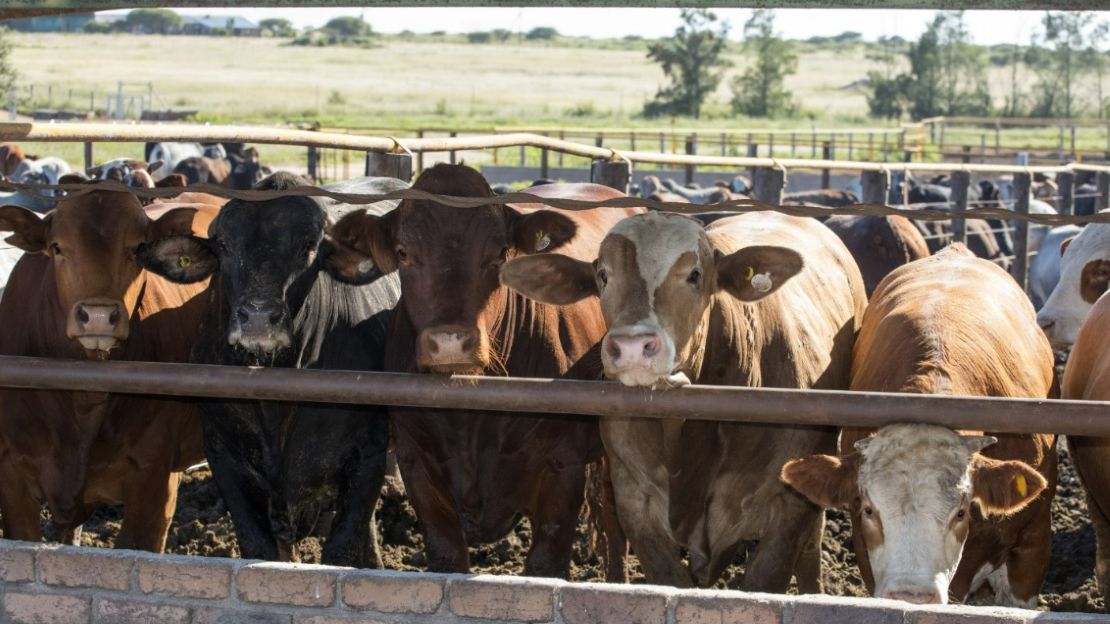
One of the biggest misconceptions is that retaining ownership means building facilities or investing in a feedlot. It doesn’t. Custom feeding arrangements allow you to maintain ownership of your cattle while a commercial feedlot handles feeding, health management, and daily care for a fee.
Typical custom feeding arrangements bill on a cost-plus basis. You pay the actual cost of feed, yardage, veterinary care, and often a small management margin. The feedlot takes no ownership risk. You do, and that’s precisely why the upside belongs to you.
Before You Sign, Know These Terms
- Yardage rate (typically $0.45–$0.65/head/day) and what it includes
- Feed cost billing: actual cost vs. fixed price per ton
- Death loss responsibility and insurance requirements
- Closeout frequency and accounting transparency
- Pull authority: who decides when cattle go to market
- Interest charges on advances and payment timing
From an accounting standpoint, custom feeding is easy to track. Your cattle remain your asset on the balance sheet, feed costs accumulate as inventory basis, and the closeout statement becomes your cost-of-production record. Done right, this documentation is a helpful tool at tax time.
How Do Cattle Producers Manage Price Risk When Retaining Ownership?
Most producers stop the conversation too early. They see the upside, recognize the risk, but take no action to manage it. A costly mistake in retained ownership is failing to protect against price risk.
Futures Contracts
CME Live Cattle and Feeder Cattle futures allow you to lock in a selling price months before your cattle hit the market. If you place 100 head in the feedlot in October, targeting a March sale, a short hedge in March Live Cattle futures gives you a price floor. If the market falls, your futures position gains. If it rises, you capture the upside on the basis.
Options Are the Flexible Alternative
Putting options on cattle futures gives you the right to sell at a specific price. Think of it as price insurance. Pay a premium, and if the market falls below your strike, you’re protected. If the market rallies, you still capture the upside. For producers wanting downside protection without limiting gains, options are a better tool.
Livestock Risk Protection (LRP) Insurance
Administered by USDA’s Risk Management Agency, LRP is federally subsidized price insurance for fed and feeder cattle. Premiums are usually lower than commercial put options, coverage aligns with typical feeding windows, and payouts are direct if prices fall below your coverage. For many, LRP is the most cost-effective first line of defense.
How Does Retaining Cattle Ownership Affect My Cash Flow and Operating Loans?
Selling at weaning puts cash in your account today. Which is especially important if operating debt is due, or other costs loom. Retained ownership defers that revenue 150–200 days and adds significant expenses. Before you retain, map the cash flow honestly.
Most producers use a line of credit or feeder cattle loan to finance retained ownership. Interest accrues on purchase and ongoing costs, and at current rates, a 180-day feeding period can add $80–$140 per head in interest, depending on loan terms.
Include this in your break-even calculation. But what often gets overlooked is that interest is deductible. And the entire cost-basis buildup (feed, yardage, vet, freight, interest) offsets the revenue when the cattle sell, reducing your taxable gain from the closeout.
How Are Retained Cattle Taxed Differently Than Selling at Weaning?
The tax treatment of retained ownership vs. selling at weaning can be strategically significant depending on your operation’s income levels, your depreciation position, and your overall tax picture.
Sale at Weaning
Calves held for sale are considered inventory. Sale proceeds are ordinary income, reported on Schedule F. There’s no capital gain, installment sale, or basis offset unless you’ve tracked your costs. Income is recognized in the year of sale.
Retained Ownership Sale
With retained ownership, costs are deductible in the current year, while income from the sale arrives the next year. This shifts income and can help average out high-earning years. As your basis increases with each expense, your taxable income from the sale is reduced.
If you have a high-income year, selling calves adds to your tax bill. By retaining ownership and selling finished cattle the next year, you deduct this year’s feed and interest costs and shift cattle income forward. Combined with Section 179 or prepaid feed purchase, the tax deferral can be substantial.
These strategies require good records. Closeout statements, feed invoices, interest, and inventory tracking. If you don’t use farm accounting software or work with an ag-specialized accountant, retained ownership is a good reason to start.
Should You Retain?
There’s no universal answer. For some operations, cash flow needs are strong, and selling at weaning is the right call. For others with access to custom feeding and the desire for managed risk, retained ownership outperforms the wean-and-sell strategy over time.
Successful producers run the numbers before deciding. They calculate break-evens, price hedges, and work with an accountant who understands that a cattle closeout statement isn’t just bookkeeping, it’s the foundation of next year’s tax strategy. MBE CPAs is here to support you.
Prefer to call us directly? Call 608-356-7733