
Can farmers truly capitalize on projected gains, or will the year’s challenges outweigh them?
Profitability hinges on farmers’ ability to address rising costs, weather volatility, and market fluctuations. Though net farm income is projected to increase, strategic financial planning, technology adoption, and resilience are essential for success in a changing world.
What are the Biggest Challenges for Farm Profitability?
Optimistic Projections vs. Market Realities
The USDA originally forecast net farm income of $180.1 billion for 2025, a 29.5% rise from 2024. That projection did not hold. In February 2026, the USDA significantly revised its estimate downward. The actual 2025 net farm income is now estimated at approximately $154.6 billion, roughly $25 billion below the original forecast. Production expenses also came in higher than initially projected, further squeezing margins.
The expected broad-based recovery did not materialize across crop markets. The cattle sector was the primary bright spot, benefiting from tight supplies and strong demand, while row crop farmers continued to face compressed margins amid weaker commodity prices and elevated input costs.
Looking ahead to 2026, USDA is forecasting net farm income of approximately $153.4 billion. A modest further decline in real terms. Net cash farm income is projected to rise slightly to $158.5 billion. Both figures remain above their 20-year averages, but the broader picture is one of continued financial pressure rather than recovery. Farmers must remain vigilant in managing costs and optimizing revenue streams.
Rising Production Expenses
Despite the income support from government programs, production costs continue to strain farm budgets. While expenses declined modestly in 2024, the 2025 reduction fell short of projections and was insufficient to offset elevated input prices. Costs for seeds, fertilizers, machinery, and fuel remain high, making efficient financial planning crucial for maintaining profitability.
Unpredictable Weather Patterns
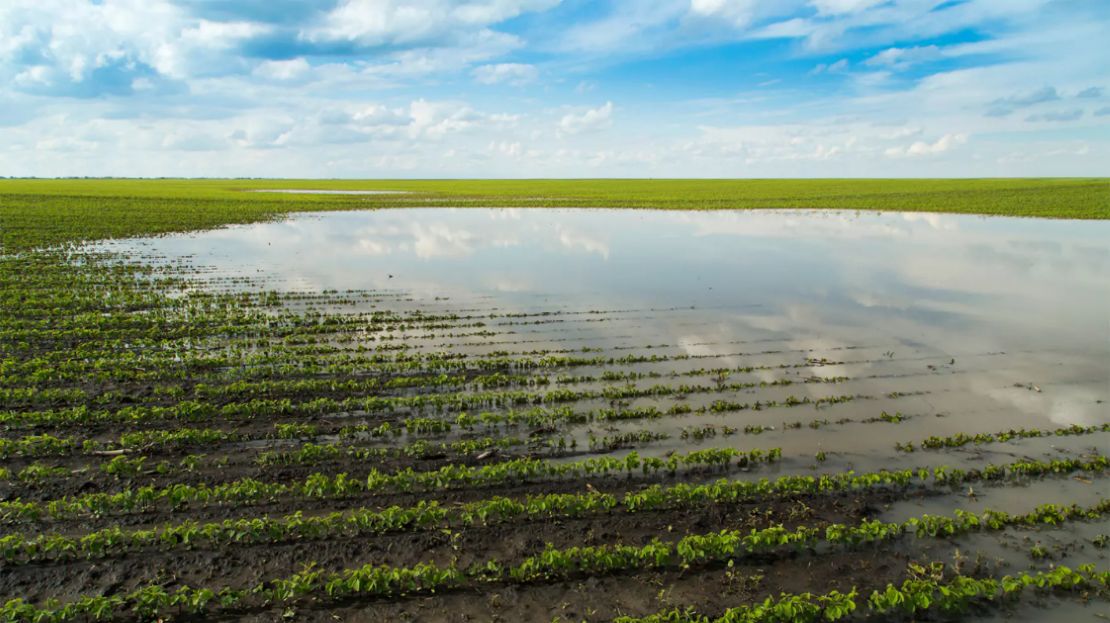
Weather remains a wildcard for agricultural productivity. The weakening of La Niña conditions and the shift toward an ENSO-neutral pattern were expected to stabilize conditions, but regional anomalies persist. Dryness in the central and southern Plains threatens crop yields, while extreme weather events like floods and droughts continue to disrupt planting and supply chains. These uncertainties reinforce the need for climate-resilient farming strategies.
Price Volatility and Global Trade Policies
Global trade dynamics are another critical factor. Recent tariff adjustments on imported agricultural products have raised concerns about potential trade disputes, which could impact both export opportunities and input costs for farmers. Staying informed about policy changes and market trends is key to managing price volatility and making timely business decisions.
What Government Payments Do Farmers Rely on And What’s Changing?
Much of the farm income support in 2025 came from government payments rather than improved market conditions. Understanding these programs is important for farm financial planning.
The One Big Beautiful Bill Act (OBBBA), signed into law on July 4, 2025, extended the Agriculture Risk Coverage (ARC) and Price Loss Coverage (PLC) programs through 2031. Here is what farm clients need to know:
- Higher reference prices: Statutory reference prices for most covered commodities were raised 10 to 21%, providing meaningfully higher income support when market prices fall below those thresholds.
- Automatic 2025 payments: For the 2025 crop year only, farmers automatically received the higher of their ARC or PLC payment without needing to make an election. Those payments will be paid out in October 2026.
- Stronger ARC-CO guarantee: The ARC-CO revenue guarantee was raised from 86% to 90% of benchmark revenue, and the maximum payment cap increased from 10% to 12% of benchmark revenue.
- Higher payment limits: The combined ARC and PLC payment limit per person was raised from $125,000 to $155,000 and is now indexed to inflation going forward.
- New base acres: Up to 30 million new base acres are being allocated nationwide for the 2026 crop year, based on planting history from 2019 to 2023. Farmers who have been planting crops on land without base acres may now be eligible for program payments for the first time.
The ARC/PLC Election Requirement: Under the OBBBA, all producers with base acres must make a new ARC or PLC election for the 2026 crop year. Farms that do not make a valid election during the enrollment period will be ineligible for payments in 2026. The election made for 2026 will carry through 2031 unless changed. Contact MBE CPAs or your local FSA office now to avoid missing this election window.
Key Strategies for Strengthening Farm Profitability
Building Financial Resilience
- Develop Comprehensive Budgets: A detailed financial plan that accounts for all income sources and expenses enables better decision-making.
- Implement Cost-Saving Measures: Farmers can reduce expenses by adopting energy-efficient technologies, negotiating better supplier contracts, and optimizing input usage.
- Monitor Financial Performance: Regularly reviewing key financial metrics can help identify areas for improvement and adjust strategies accordingly.
Incorporating Technological Advancements
- Adopt Precision Agriculture: Utilizing GPS-guided equipment, soil sensors, and variable-rate application technology can improve efficiency and reduce waste.
- Explore Resilient Crop Varieties: Shorter corn hybrids and other climate-adaptive crops can improve yield stability, even in uncertain weather conditions.
Diversification and Value-Adding
- Expand Income Streams: Introducing new crops or livestock can help reduce risks associated with market fluctuations.
- Develop Value-Added Products: Agritourism, direct-to-consumer sales, and specialty crop production can provide additional revenue opportunities.
Risk Management and Resilience
- Utilize Risk Management Tools: Crop insurance, futures contracts, and diversified revenue streams can help safeguard against unforeseen events.
- Review Your Crop Insurance for 2026: The OBBBA increased the federal government’s share of crop insurance premiums by 3 to 5 percentage points across all coverage levels, making higher coverage more affordable. Producers should review their 2026 coverage decisions with their advisor to take full advantage of these improvements.
- Dairy Margin Coverage Update: The Dairy Margin Coverage (DMC) program was extended through 2031. Dairy producers should evaluate their coverage options.
- Invest in Infrastructure Improvements: Better drainage, irrigation systems, and conservation practices can enhance resilience against extreme weather conditions.
Conclusion
As 2026 unfolds, the agricultural industry is facing a more complicated financial picture than originally anticipated. The income rebound fell short of projections, but expanded government programs, including stronger ARC and PLC supports, new base acres, enhanced crop insurance, and an extended Dairy Margin Coverage program, are providing relief. By reviewing your financial strategies and taking advantage of available programs, you can help your farm stay resilient amid uncertainty.
MBE CPAs is here to help you at every stage. Whether it’s improving your bottom line, planning for the future, or tackling any unexpected hurdles, our knowledge can help guide you.