
Tax Benefits When Caring for Loved Ones

Authored by: Diane Payne — Partner, CFP®, EA | Date Published: July 03, 2026
Caregiving looks different for every family. For some, it means managing school drop-offs, appointments, and after-care while working full-time. For others, it means supporting an aging parent with daily needs, in addition to their own responsibilities. No matter the circumstances, the financial demands of caregiving are significant and often overlooked. Many caregivers go years without realizing that federal tax credits exist specifically for their situation. The difference between knowing about these credits and not knowing can show up directly in what you owe, or what you get back, at tax time.
Who Feels the Financial Strain of Caregiving the Most?
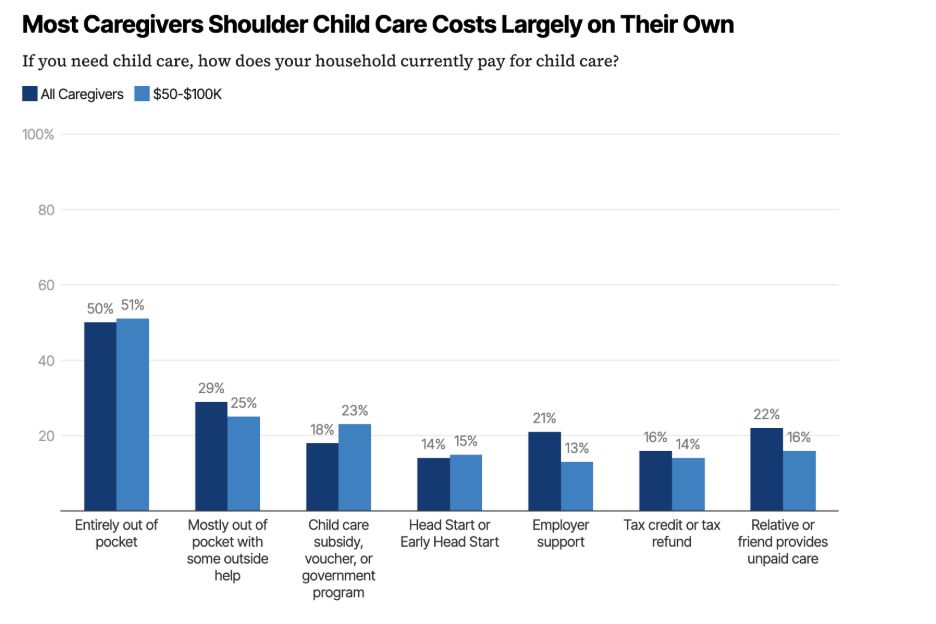
Caregiving affects households of all income brackets, but families with moderate incomes often face an especially tough challenge. They may earn too much to qualify for government assistance programs but still need to cover rising care costs, housing, and daily expenses, with little room in their budget.
The challenge grows for adults who are caring for children and also looking after an aging parent or a family member with a disability. According to a national survey by the Bipartisan Policy Center, 73% of people managing both roles said their caregiving responsibilities affected their household’s finances, and many shared that it made it harder to maintain steady work hours.
Expenses tied to caregiving reach far beyond bills for care itself. These costs show up as missed days at work, delayed career goals, and the constant effort needed to support loved ones in different generations. Over time, these sacrifices add up. Federal tax credits can help relieve some of this financial strain.
What Tax Credits Can Caregivers Claim?
If you’re paying for childcare or dependent care so you can work, or you’re raising a child and wondering who should claim the child on taxes, there are three federal tax credits worth understanding. Each one applies to a different set of circumstances, and in many cases, more than one can apply to the same household. Here’s a closer look at how each one works and who it’s designed for.
1. Child Tax Credit
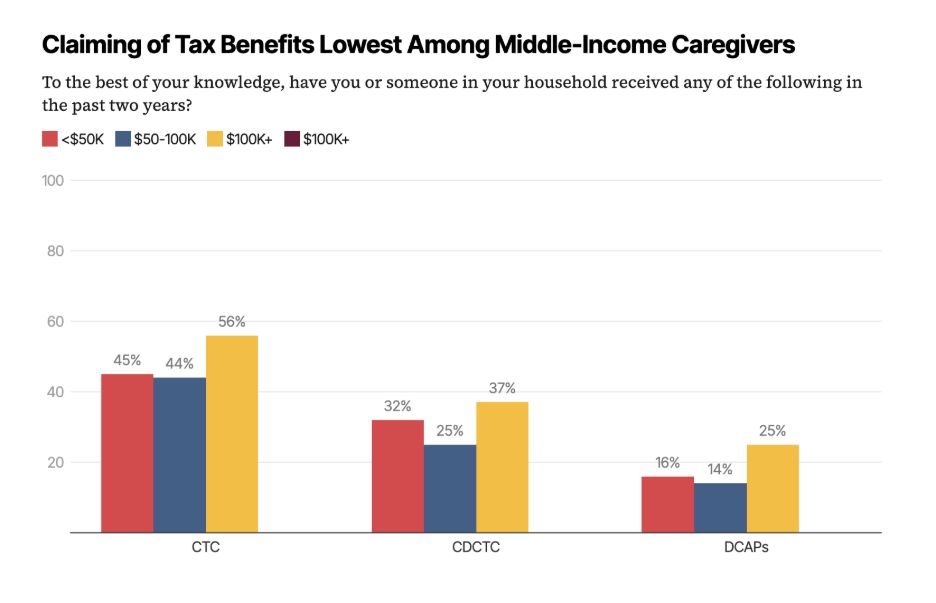
The Child Tax Credit (CTC) is a general family credit that directly reduces the federal income tax owed by parents and guardians of children under 17. It’s one of the most widely applicable credits for families, and research from the Bipartisan Policy Center shows that awareness of this credit among eligible caregivers has declined over time, so more families may be missing out on a benefit they already qualify for.
At a glance:
- Includes parents and guardians of children under 17.
- Welcomes both unmarried filers and married couples filing jointly.
- Reduces the amount of federal income tax owed.
2. Child and Dependent Care Tax Credit
The Child and Dependent Care Tax Credit (CDCTC) is a separate credit that applies only to work-related child and dependent care expenses. This nonrefundable credit is for working adults who pay for care so they can keep a job or look for work. It applies to a portion of expenses paid for a child under 13, a spouse who cannot care for themselves, or a dependent living with you who has a physical or cognitive condition that makes independent care difficult. The CDCTC covers many types of care, including daycare centers, after-school programs, in-home providers, and adult day programs.
One question that often comes up is how independent or dependent tax status affects eligibility. Generally, the person receiving care must qualify as your dependent, and the care expenses must be tied to your ability to maintain employment.
At a glance:
- Helps working adults who pay for the care of a child under 13.
- Assists individuals caring for a spouse or dependent with a disability.
- Protects caregivers of aging family members so they can keep working.
- Requires the person receiving care to qualify as your dependent.
3. Dependent Care Assistance Program
The Dependent Care Assistance Program is an employer-sponsored benefit, typically structured as a Flexible Spending Account, that allows employees to set aside pre-tax dollars for qualifying dependent care expenses. Eligible employees can receive reimbursements of up to $7,500 annually, with contributions deducted from paychecks before taxes are applied, which may also include an employer contribution.
This benefit matters at tax time even when a tax professional is preparing your return, because contributions to a Dependent Care Flexible Spending Account affect how much of the Child and Dependent Care Tax Credit you’re eligible to claim. If you contributed to one of these accounts during the year, that information needs to be included when your return is prepared.
At a glance:
- Operates through employers that offer a Dependent Care Flexible Spending Account.
- Funds child care and elder care expenses for qualifying employees.
- Lowers taxable income using pre-tax dollars allocated for care.
- Alters the calculation of the Child and Dependent Care Tax Credit.
Can You Claim Multiple Caregiving Credits Together?
In many situations, it is possible to claim more than one credit. If you qualify, you may be able to take both the Child Tax Credit and the Child and Dependent Care Tax Credit on the same return. You might also use the Dependent Care Assistance Program together with the Child and Dependent Care Tax Credit, but you need to follow specific rules if you have used a Flexible Spending Account for care costs. To avoid missing out or double-counting expenses, keep good records and ask for guidance if you are unsure. Sometimes, talking with a tax professional can help you make the most of the credits available to you.
How to Prepare Before Filing Your Taxes as a Caregiver?
Getting started doesn’t take much time. Following a few simple steps now can help you approach tax season ready and informed:
- Confirm dependent documentation, checking that you have valid Social Security Numbers or Taxpayer Identification Numbers for all children, aging parents, or adult dependents to meet current federal rules for family credits.
- Document all care-related expenses from the past year, including daycare, after-school programs, in-home care, adult day programs, and any care paid to a relative who qualifies as a provider.
- Gather provider information, including names, addresses, and tax identification numbers for anyone you paid for care, as this is required when claiming the Child and Dependent Care Tax Credit.
- Note any employer benefits you used, including whether you contributed to a Dependent Care Flexible Spending Account, since this affects how your credits are calculated.
- Connect with a tax advisor who understands how caregiving credits interact and can help you determine which combination of benefits applies to your situation.
Why Caregivers Should Review Their Tax Filing Carefully
The people who pour so much of themselves into caring for the ones they love often have more available to them at tax time than they realize. Claiming these credits doesn’t require a perfect understanding of tax law. It requires knowing what to bring to the conversation and having someone in your corner who knows how to ask the right questions.
At MBE CPAs, we work alongside families every tax season to make sure no eligible benefit goes unclaimed. If you have questions about what you may qualify for, or want a second set of eyes on your situation, we would be glad to help you move forward with confidence.