
If you sell corn, soybeans, sorghum, or canola into an ethanol or biodiesel plant, or your dairy ships manure to a digester, the way you farm could influence what buyers are willing to pay.
Recent federal guidance on the Section 45Z Clean Fuel Production Credit changes how your field and manure practices are scored, and that score can affect what a fuel producer is willing to pay for your crops or manure.
Here’s what changed and what to ask before signing your next contract.
What Is the 45Z Credit and How Do Farm Practices Affect It?
The 45Z credit is a federal tax credit for clean transportation fuel produced in the United States from feedstock grown in the United States, Mexico, or Canada. Lower-emission fuels earn larger credits, according to the IRS. In most cases, the fuel producer claims the credit, not the farmer; however, your crops and manure affect the fuel’s carbon intensity score, often called a CI score. A lower score can make your bushels or loads more valuable to the plant, though each buyer decides what that’s worth in your contract.
If you own part of an ethanol or biodiesel plant through a cooperative or LLC, you may receive a share of the credit or its value directly, since the law lets agricultural cooperatives allocate 45Z credits to patrons and LLC-owned plants generally pass credits through to owners. That’s worth reviewing with your CPA before year-end.
The One Big Beautiful Bill Act extended the credit to fuel sold through December 31, 2029, and it requires fuel scores to exclude indirect land use change, which generally helps fuels made from corn and soybeans.
USDA’s final technical guidelines score each field, or group of fields managed the same way, for the year the crop is harvested instead of using one farm-wide average. Say a grower runs no-till and cover crops on 400 acres of owned ground while conventionally tilling rented ground, then those 400 acres can carry their own score instead of being averaged in.
Which Crops and Farming Practices Qualify?
USDA’s calculator scores four crops: field corn, soybeans, sorghum, and spring canola, defined as canola planted between January and June.
Every participating field starts with nutrient management, and scoring works as follows:
- Growers enter the nitrogen they applied, including fertilizer, manure, and nitrification inhibitors.
- They also enter their yield, and the calculator scores how well that nitrogen turned into bushels.
- No-till, reduced till, or cover crops can be layered on top where they fit to lower the score.
For example, a soybean grower who already soil tests and tracks fertilizer by field may have a starting point without changing tillage. A neighbor with years of no-till can add that practice, though claiming it means committing to no-till on that field four out of every five years.
How Does 45Z Affect Dairy and Livestock Manure Contracts?
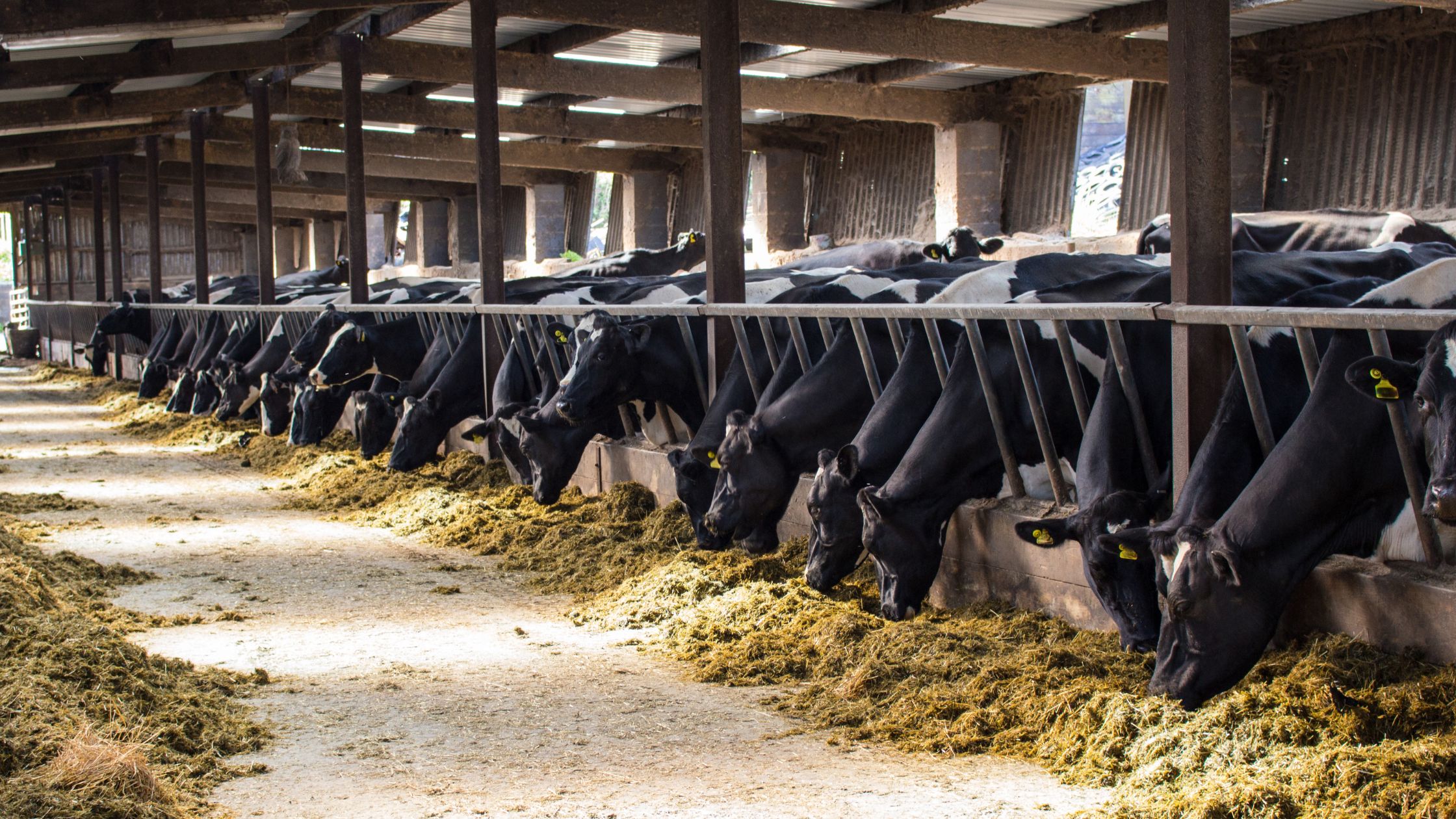
For dairy and hog operations sending manure to digesters, the IRS notice lists dairy manure and swine manure as their own feedstocks instead of using one national average. The notice also lets fuel producers use your farm’s own manure handling history, such as uncovered lagoons or solid storage, to calculate emissions avoided by the digester. The law goes further by calling for a separate score for each type of manure, including poultry once the IRS publishes those rates, and by allowing the IRS to set a score below zero for manure-based fuel. That can make well-documented manure more valuable to a digester.
That history must be backed by records, so a 600-cow dairy that stored manure in an uncovered lagoon before shipping to a digester, for instance, may need herd counts, storage records, and hauling logs to document it.
What Records Do Farmers Need for 45Z?
A third-party verifier checks the records behind each score, and participating farms keep them for five years, so keep these on hand:
- A nutrient budget and yield goal for each field, based on a recent soil test or a qualified advisor, such as Cooperative Extension staff.
- Dates, rates, and sources of every fertilizer and manure application, plus manure test results.
- Crop insurance records or published county yields showing your expected yield.
- Proof of tillage and cover crops, such as seed tags, equipment data, or dated photos.
What Should You Ask Before Signing Your Next Contract?
A premium helps only when the contract spells out how it’s earned, measured, and paid. The credit stays on the fuel producer’s tax return, while a premium is part of your grain or manure payment. For most cash-method farmers, meaning farms that report income when it’s received, a premium is generally farm income in the year you receive it and subject to income and self-employment tax. That year may differ from harvest year if you store grain, defer payment, or report income differently. Ask any ethanol plant, crusher, or digester before signing:
- Does the buyer pay a premium for lower-CI bushels or loads, and how is it calculated?
- Which fields or loads does the premium cover, and who pays for verification?
- How does this fit with other sustainability programs you’re in, since USDA won’t let one reduction count twice?
- When is the premium paid, and is it separate from your grain or manure check?
- If a cooperative pays the premium, will it come with your grain payment or as a patronage dividend on Form 1099-PATR?
How Could 45Z Premiums Affect Your Taxes?
What you earn and spend under 45Z can change your tax bill:
- Cooperative payments: Premiums or credit value paid through a cooperative may be reported on Form 1099-PATR, which affects how they are reported and can affect your qualified business income deduction.
- Practice costs: Cover crop seed, soil and manure testing, and nutrient planning are generally deductible farm expenses. Qualifying soil and water conservation costs may also be deductible under Section 175, which lets farmers deduct that work in the year it’s paid instead of adding it to the land’s cost, limited each year to 25% of gross income from farming.
- Equipment: No-till planters and manure-handling equipment may qualify for Section 179 expensing or bonus depreciation, which let you deduct much or all of the cost in the year you buy it, so purchases can be timed against premium income.
How Can MBE CPAs Help Your Farm Prepare for 45Z?
The no-till acres, careful nitrogen rates, and manure handling you’ve built may now carry value beyond the yield monitor and the milk check. Under these rules, a practice only counts at the elevator or the digester when the records behind it hold up for a verifier.
Our agribusiness team works alongside crop, dairy, and livestock families to pull those records into one place and see how premiums and contract terms could affect your taxes before you sign. MBE CPAs can help you get ready before your next contract crosses the table.
This article reflects federal guidance available as of the publish date and is provided for general information only. It isn’t tax, legal, or agronomic advice. Rules may change, so talk with your MBE advisor about your situation.